Notice: Function _load_textdomain_just_in_time was called incorrectly. Translation loading for the acf domain was triggered too early. This is usually an indicator for some code in the plugin or theme running too early. Translations should be loaded at the init action or later. Please see Debugging in WordPress for more information. (This message was added in version 6.7.0.) in /www/wwwroot/leadcont.com/blog/wp-includes/functions.php on line 6131
How Does a Locksmith Open a Door? A Detailed Guide
Preloader

Office Address

17950 NW 53rd Street Suite 337
Miami, Florida 33166

Phone Number

+1 (888) 418-0865

Email Address

info@leadcont.com

How Does a Locksmith Open a Door? A Detailed Guide

When you find yourself locked out of your home, car, or office, a locksmith is often the first person you call for help. Locksmiths are skilled professionals who specialize in opening locked doors without causing damage. They employ a variety of techniques depending on the type of lock and the situation. Here’s a detailed look at how a locksmith opens a door:

Assessment of the Lock

The first step a locksmith takes when opening a door is to assess the type of lock that needs to be opened. Different locks require different methods of entry. Common types of locks include pin-tumbler locks, deadbolts, mortise locks, smart locks, and more. The locksmith will determine the type and complexity of the lock to choose the most appropriate method for unlocking it.

Non-Destructive Entry Techniques

Whenever possible, locksmiths aim to use non-destructive methods to open a door, ensuring that the lock remains intact and can be reused afterward. Some of the most common non-destructive entry techniques include:

  • Lock Picking:
    • Traditional Lock Picking: The most well-known method, lock picking involves the use of specialized tools, such as a tension wrench and a pick, to manipulate the pins inside the lock. The locksmith carefully lifts each pin to the correct height, aligning them with the shear line, which allows the lock to turn and open.
    • Raking: A variation of lock picking, raking involves using a pick with multiple ridges (called a rake) to quickly move the pins inside the lock to the shear line. While less precise than traditional picking, raking can often open simpler locks more quickly.
  • Bypassing:
    • Shimming: Involves inserting a thin piece of metal or plastic between the door and the frame to manipulate the latch mechanism directly, bypassing the lock entirely. This method is often used on spring latch locks.
    • Bump Keys: A bump key is a specially cut key that can be used to open many pin tumbler locks. The locksmith inserts the bump key into the lock and then lightly taps it with a hammer or similar tool, causing the pins to “bump” and temporarily align at the shear line, allowing the lock to turn.
  • Lock Decoding:
    • In some cases, particularly with combination locks, a locksmith may use decoding tools to determine the combination or code. This method allows the locksmith to open the lock without any physical manipulation of the internal components.

Destructive Entry Techniques (When Necessary)

If non-destructive methods are unsuccessful or if the lock is too complex, a locksmith may resort to destructive entry techniques. These methods are typically used as a last resort when no other options are viable:

  • Drilling:
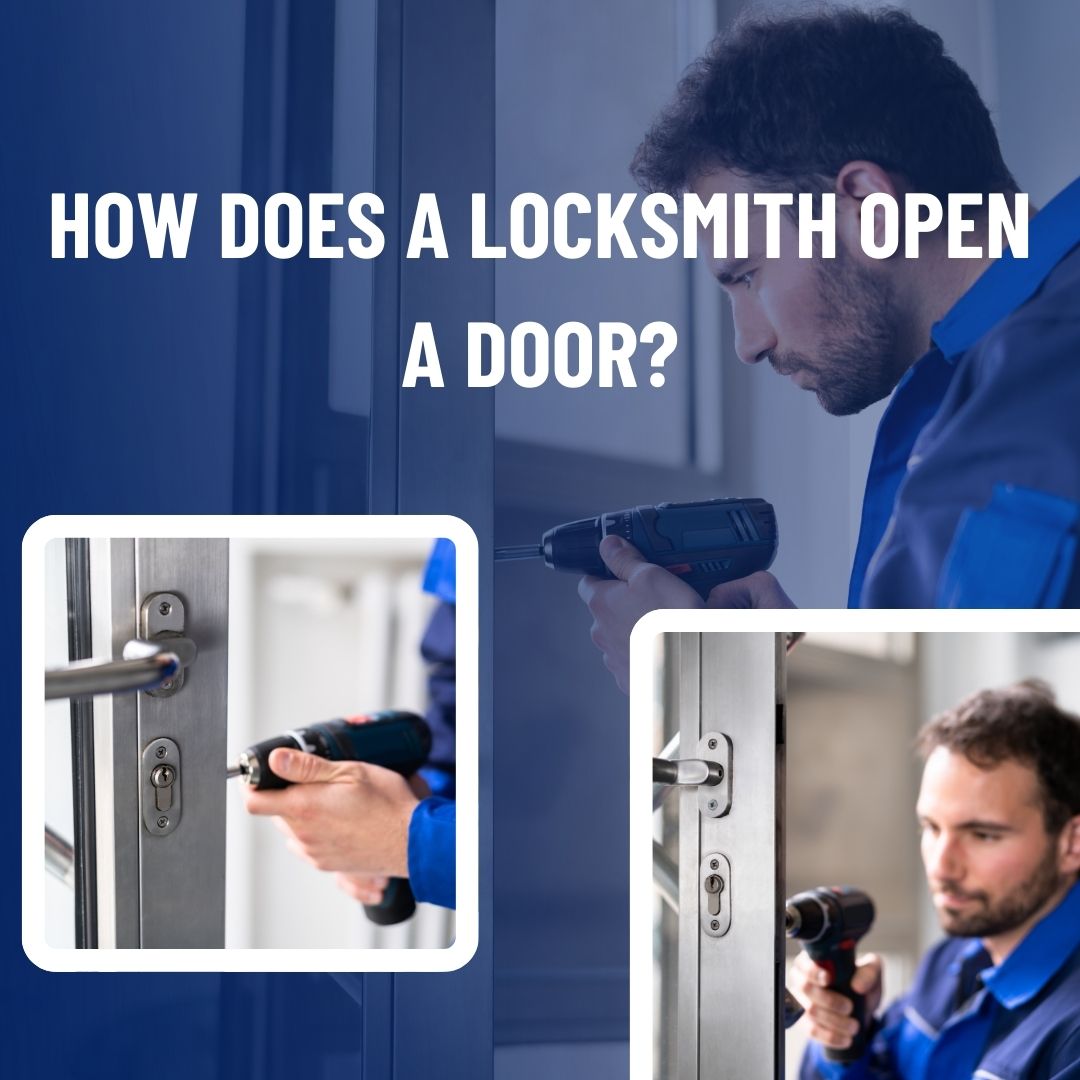
    • The locksmith drills a small hole into the lock cylinder, allowing them to access the internal components directly and manipulate the lock. This method usually requires the lock to be replaced afterward.
  • Lock Snapping:
    • This technique involves applying force to the lock cylinder, breaking it into two parts. This method is often used on certain types of euro cylinder locks, especially in cases of forced entry. It’s important to note that while this method is effective, it does damage the lock, requiring replacement.

Using Specialized Tools

Locksmiths carry an array of specialized tools designed for different types of locks and situations. Some of these tools include:

  • Plug Spinners: Used to rotate the lock cylinder after picking, particularly when the lock turns in the opposite direction.
  • Tension Wrenches: Apply tension to the lock while picking to keep the pins in place as they are manipulated.
  • Key Extractors: Help remove broken keys from inside a lock without damaging the lock itself.
  • Electronic Lock Tools: For smart locks, electronic locks, or keyless entry systems, locksmiths may use digital devices to reset, reprogram, or override the lock.

Accessing Smart Locks

With the rise of smart locks and electronic access systems, locksmiths have also had to adapt to new technologies. Opening a smart lock may involve:

  • Resetting or Reprogramming: Some smart locks can be opened by resetting the system or reprogramming it using a manufacturer’s override code.
  • Hacking: In rare cases, particularly with older or less secure smart locks, a locksmith may be able to hack the lock using specialized software or hardware tools.
  • Mechanical Override: Many smart locks have a mechanical key backup, which can be used in the event of an electronic failure.

Rekeying or Lock Replacement

After gaining entry, a locksmith may offer additional services such as rekeying or replacing the lock, especially if the lock was damaged during entry or if the homeowner wants to enhance security. Rekeying involves changing the internal pins of the lock so that it can be opened with a new key, while lock replacement involves installing a completely new lock.

The Bottom Line

Locksmiths use a combination of knowledge, experience, and specialized tools to open locked doors, always striving to use the least invasive method possible. Whether through traditional lock picking, bypassing, or more modern techniques for smart locks, locksmiths are equipped to handle a wide range of locking mechanisms, ensuring you regain access quickly and efficiently.


Share:

Leave a comment

Your email address will not be published. Required fields are marked *

Request A Call Back

Ever find yourself staring at your computer screen a good consulting slogan to come to mind? Oftentimes.