
acf domain was triggered too early. This is usually an indicator for some code in the plugin or theme running too early. Translations should be loaded at the init action or later. Please see Debugging in WordPress for more information. (This message was added in version 6.7.0.) in /www/wwwroot/leadcont.com/blog/wp-includes/functions.php on line 6170
17950 NW 53rd Street Suite 337
Miami, Florida 33166





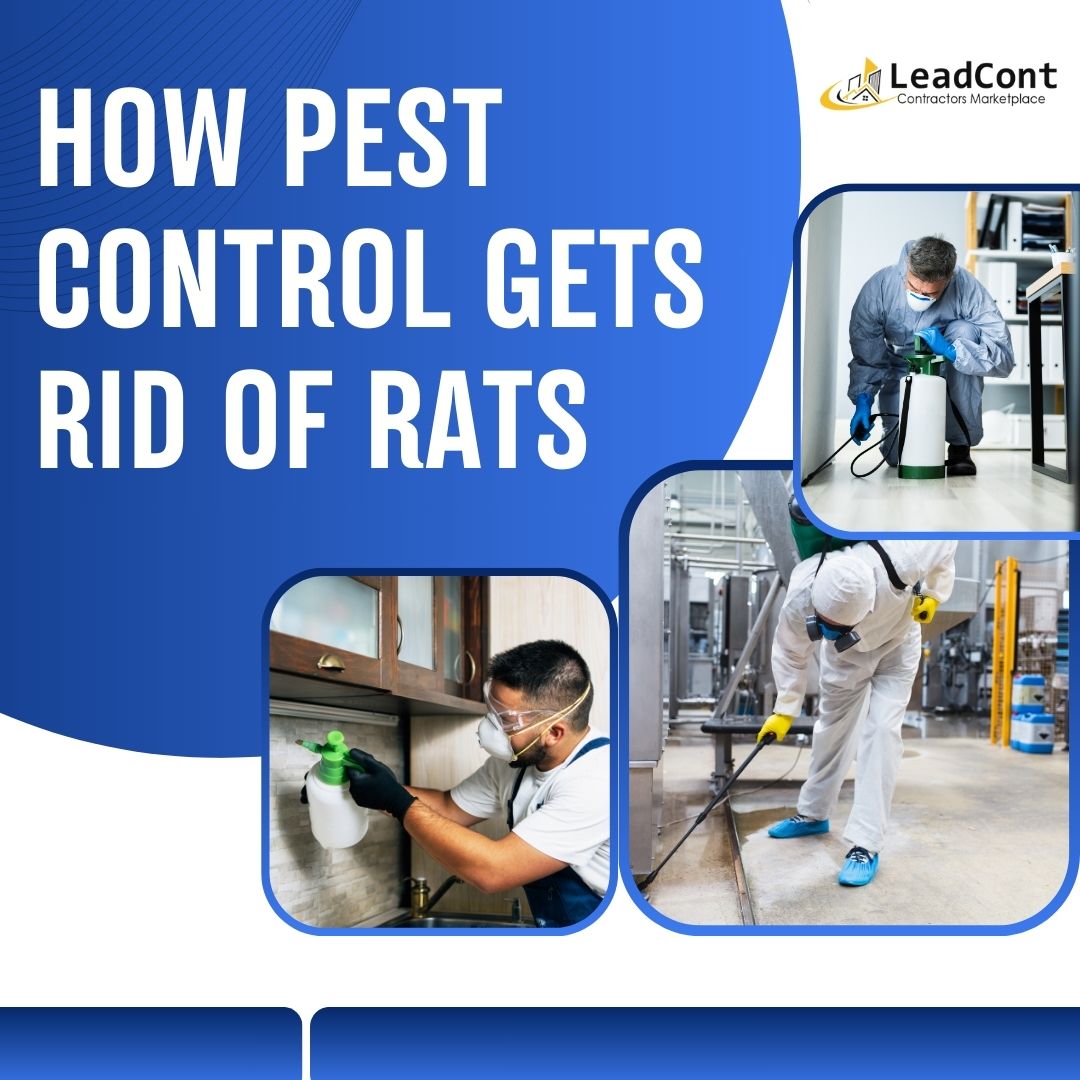
Addressing a rat infestation requires a thorough and systematic approach to ensure these pests are effectively removed and prevented from returning. Here’s a detailed breakdown of how pest control professionals handle rat problems:
Identifying the Problem
Effective rat control begins with a thorough inspection to determine the extent of the infestation. Pest control professionals will look for signs of rat activity, such as droppings, gnaw marks, and nests. They will also assess the severity of the infestation and identify potential entry points where rats might be entering your home. By understanding these factors, they can develop a targeted plan to address the problem effectively.
Sealing Entry Points
Once the inspection is complete, the next crucial step is sealing any entry points to prevent rats from re-entering your home. This involves repairing and closing gaps, cracks, and holes in your home’s structure. Professionals use durable materials such as steel wool, caulk, or metal mesh to block these entryways. Properly sealing these vulnerabilities is essential for stopping the current infestation and preventing future ones.
Trapping and Removal
Trapping is a key method for managing and eliminating rats. Pest control experts will set traps in strategic locations where rat activity has been detected, such as attics, basements, and kitchens. Different types of traps may be used, including snap traps, live traps, and glue boards. Each type is selected based on its effectiveness for the situation. The goal is to capture and safely remove rats, ensuring that they are disposed of properly to maintain hygiene.
Baiting Techniques
In addition to trapping, baiting is an effective method for controlling rat populations. Pest control professionals use bait stations filled with rodenticides placed in areas where rats are active. These bait stations are designed to be secure and inaccessible to children and pets, ensuring safety while targeting rats effectively. The bait attracts the rats, who consume it and subsequently die, helping to reduce the rat population over time.
Preventive Measures
Preventing future rat infestations is a critical part of pest control. After addressing the immediate problem, maintaining cleanliness and removing potential food and water sources is essential. This includes proper food storage, regular cleaning, and fixing any new gaps or cracks that could provide entry points for rats. Regular inspections with pest control professionals can help detect early signs of rat activity and prevent future infestations.
Monitoring and Follow-Up
Post-treatment monitoring is important to ensure that the rat problem is fully resolved. Pest control experts will conduct follow-up inspections to confirm that the infestation has been controlled and to address any remaining issues. They may adjust their strategies as needed and provide recommendations for long-term rat prevention and maintenance.
Consultation and Professional Advice
Finally, pest control services offer expert advice on additional measures to prevent future infestations. This includes recommendations for home maintenance, sanitation improvements, and ongoing pest control services. Professional guidance ensures that you can maintain a rat-free environment and address any potential problems effectively.
For expert rat control solutions and comprehensive pest management, visit LeadCont.com to learn more about how we can help.
Ever find yourself staring at your computer screen a good consulting slogan to come to mind? Oftentimes.

WordPress database error: [Disk full (/tmp/#sql-temptable-24c6f6-15fba55-7f0.MAI); waiting for someone to free some space... (errno: 28 "No space left on device")]SHOW FULL COLUMNS FROM `lc_options`